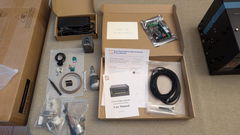
Collezione: Plotter a penna ArtStation
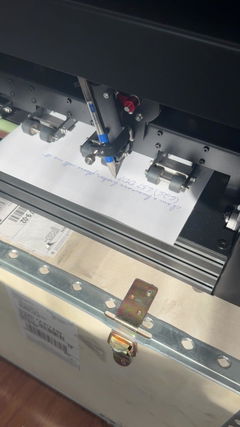
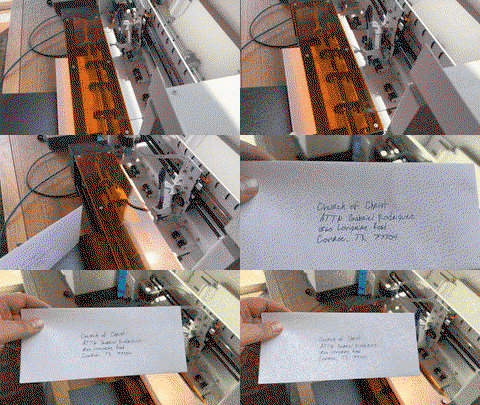
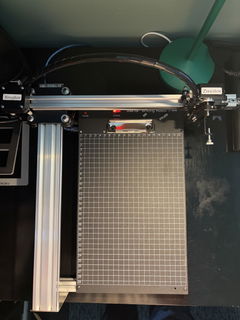
ArtStation Pen Plotters è una collezione professionale di sistemi di plotter a penna di grande formato, di livello espositivo progettati per arte generativa, creative coding e produzione artistica istituzionale. Questa serie include soluzioni sia per studi sia per musei, realizzate per artisti, designer, educatori e istituzioni culturali che richiedono un output fisico affidabile e preciso a partire da flussi di lavoro digitali.
La collezione è ideale per un'ampia gamma di utenti, tra cui artisti contemporanei che lavorano nell'arte generativa e algoritmica, laboratori di ricerca universitari che esplorano il design computazionale, musei e gallerie che producono opere d'arte in scala installativa e studi professionali specializzati nella produzione in serie o in progetti creativi di lunga durata. Combinando sistemi di movimentazione CoreXY ad alta stabilità con un controllo ultrapreciso, i plotter a penna ArtStation garantiscono risultati uniformi a diverse scale, dai lavori di medie dimensioni in studio alle grandi esposizioni istituzionali.
Supportando diversi materiali, tra cui penne, inchiostro, carboncino e tecniche miste, queste macchine trasformano i concetti digitali in opere d'arte fisiche con precisione e ripetibilità di livello museale. Utilizzata per mostre, attività didattiche o pratiche artistiche sperimentali, la collezione ArtStation Pen Plotters offre un ponte scalabile tra codice, creatività ed espressione fisica.

-
UUNA TEK ArtStation 2436 | Plotter artistico di grande formato e sistema di produzione di arte generativa di livello istituzionale (36” × 24”)
Prezzo normale $2,589.00 USDPrezzo normalePrezzo unitario per$3,699.00 USDPrezzo scontato $2,589.00 USDSaldi -
UUNA TEK ArtStation 1824 | Plotter professionale con penna e sistema di produzione di arte generativa di livello espositivo (24” × 18”)
Prezzo normale $1,679.00 USDPrezzo normalePrezzo unitario per$2,399.00 USDPrezzo scontato $1,679.00 USDSaldi

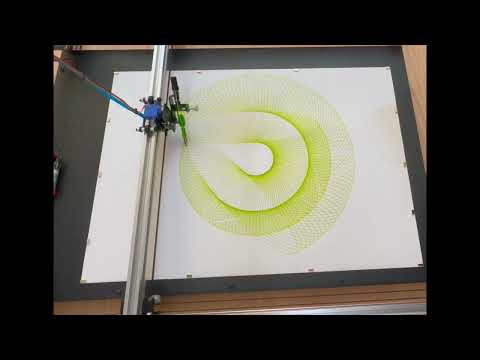


Soluzioni istituzionali e per i flussi di lavoro
-

Per musei, gallerie e spazi d’arte pubblica: prestazioni pronte per l’esposizione
Potenzia installazioni su scala ambientale e commissioni d’arte pubblica continue e dal vivo. Progettati per resistere alle rigorose esigenze degli ambienti espositivi, questi sistemi fungono da installazioni autonome di performance art di lunga durata.
-

Per università e laboratori di ricerca: infrastruttura durevole e multiutente
Dotate la vostra infrastruttura dal digitale al fisico di hardware affidabile, di livello pedagogico. Progettata per resistere al rigore dei laboratori didattici, la serie ArtStation offre hardware accessibile e aperto, robusti arresti di sicurezza e componenti a bassa manutenzione, massimizzando il ritorno sull’investimento educativo e colmando il divario tra STEM e STEAM.
-

Per artisti contemporanei e creative coder: pipeline di codice senza attriti
Smetti di lottare con software macchinosi e proprietari. ArtStation è progettato per il moderno sviluppatore-artista. Supporta layout SVG puri e non compressi e il G-code standard. Si integra perfettamente con configurazioni di script personalizzate in Python, Processing, vsketch e Grasshopper. Nessun abbonamento cloud obbligatorio, nessun vincolo all’ecosistema: solo il controllo assoluto sui tuoi vettori.


Funzionalità 1:
Sistema di arte generativa di livello espositivo (risoluzione nativa di 0,0125 mm)
La realtà tecnica: Le opere generative aumentano la complessità in base al livello di dettaglio. Le macchine da disegno commerciali standard introducono un microgioco meccanico, causando la sfocatura delle linee sovrapposte microscopiche o la lacerazione delle fibre della carta.
La soluzione UUNA TEK®: Progettata con una risoluzione nativa minima del movimento di 0,0125 mm e una tolleranza meccanica assoluta di ~0,1 mm, la serie ArtStation trasforma griglie algoritmiche ipercomplesse, densi motivi moiré matematici e vettori caotici di attrattori caotici in linee fisiche affilate come rasoi. La tua opera conserva la sua nitida definizione geometrica anche sotto un’illuminazione diagnostica di livello museale.

Funzionalità 2:
Funzionamento continuo di livello professionale (ciclo operativo 24/7 senza deriva)
La realtà tecnica: Un disegno standard può richiedere facilmente dalle 18 alle 36 ore di movimento continuo. Nei kit economici fai-da-te con trasmissione a cinghia, i motori si surriscaldano, i chip perdono passi e le linee deviano a metà di un’opera realizzata su carta d’archivio da 2.000 $.
La soluzione UUNA TEK®: Progettata come infrastruttura istituzionale per la produzione artistica, la serie ArtStation integra motori passo-passo per impieghi gravosi abbinati a blocchi di raffreddamento a dissipazione termica attiva e a una scheda madre industriale H-SE potenziata. È progettata per il funzionamento continuo senza supervisione: può quindi operare tutta la notte in uno studio al buio o lavorare dal vivo per tutta la durata di un’esposizione museale di un mese, senza alcuna deviazione spaziale, nemmeno di un millimetro.

Funzionalità 3:
Architettura CoreXY ad alta stabilità e guide lineari industriali
La realtà tecnica: I plotter tradizionali a braccio cantilever o con portale X-Y oscillano violentemente alle alte velocità di transizione dei vettori, generando artefatti di “ghosting” e linee ondulate.
La soluzione UUNA TEK®: Basata su un robusto sistema di movimento CoreXY, entrambi i motori sono fissati saldamente alla base, riducendo drasticamente la massa in movimento del portale. Guidata da guide lineari in acciaio ad alta rigidità e cinghie dentate rinforzate con fibra di vetro, la testina utensile raggiunge una velocità massima di 280 mm/s (11 in/sec) con un’accelerazione vettoriale fluida e priva di vibrazioni.

Funzionalità 4:
Compatibilità artistica multimateriale (testa dell’utensile ad angolazione adattiva di 70°–90°)
La realtà tecnica: Le mani umane impugnano le penne inclinate; i plotter standard obbligano le penne a rimanere perfettamente verticali (90°), rovinando i pennini delle penne stilografiche, strappando le punte dei fineliner e rendendo impossibile alimentare materiali secchi come il carboncino.
La soluzione UUNA TEK®: Grazie a un modulo proprietario per l’angolazione regolabile della penna da 70° a 90° e a un robusto sistema di sollevamento controllato dell’asse Z da 10 mm, ArtStation offre all’artista un controllo meccanico assoluto sul modo in cui il materiale entra in contatto con la superficie. Fornisce l’esatto controllo della pressione strutturale necessario per tracciare con fineliner tecnici delicati, inchiostri stilografici ad asciugatura rapida, marker a vernice pesante, grafite morbida o fragili bastoncini di carboncino naturale.

Funzionalità 5:
Integrazione dei flussi di lavoro aperti e pipeline basate su API
La realtà tecnica: Nulla frustra un programmatore creativo più del ritrovarsi vincolato a un’app proprietaria, dipendente dal cloud e piena di bug, che si blocca continuamente con i file SVG di grandi dimensioni.
La soluzione UUNA TEK®: UUNA TEK® è basata su protocolli vettoriali aperti. Si connette direttamente tramite una linea di controllo USB priva di latenza e legge direttamente i layout SVG nativi e il G-code per l’esecuzione industriale. Funziona come un compilatore fisico integrato per gli script provenienti direttamente da Python, Processing, vsketch, openRCA, Inkscape, Adobe Illustrator o dai framework parametrici CAD / Grasshopper.
Architectural Comparison Matrix
UUNA TEK® ArtStation Studio & Institutional Generative Production Systems
| Technical Parameter | ArtStation 1824 | ArtStation 2436 |
|---|---|---|
| Market Positioning & Pricing | ||
| System Positioning | Studio-scale art production for creative labs & independent artists. | Institutional-scale infrastructure for museums, galleries & cultural centers. |
| Regular Retail Price | $2,399.00 USD$1,559.00 USD (Sale) | $3,699.00 USD$2,404.00 USD (Sale) |
| Production Capacity | Flexible production system for iterative studio workflows. | High-capacity infrastructure for continuous exhibition-grade output. |
| Physical & Working Area Dimensions | ||
| Maximum Working Area | 24” × 18” (610 mm × 457 mm) |
36” × 24” (915 mm × 610 mm) |
| Physical Footprint | 560 mm × 840 mm | 773 mm × 1060 mm (30.43” × 41.73”) |
| Machine Structural Height | 115 mm (Excl. cable guide structure) | 115 mm (Excl. cable guide structure) |
| Net Hardware Weight | 11 kg (24.2 lbs) | 15 kg (33.0 lbs) |
| Motion & Precision Engineering | ||
| Motion Architecture | CoreXY High-Stability Motion System | Reinforced Industrial CoreXY Motion System |
| XY Step Resolution | 0.0125 mm minimum motion resolution | 0.0125 mm minimum motion resolution |
| Mechanical Accuracy | ~0.1 mm typical accuracy limit | ~0.1 mm maintained across industrial long-span |
| Maximum XY Travel Velocity | Up to 280 mm/s (11 in/sec) | Up to 280 mm/s (11 in/sec) |
| Vertical Tool Travel (Z-Axis) | 10 mm controlled pen lift system (Servo driven) | 10 mm reinforced long-span tool lift system |
| Pen Strike Angle Calibration | Adjustable 70°–90° pen angle module | Adjustable 70°–90° reinforced pen angle module |
| System Electronics, Software & Media | ||
| Core Controller Board | DrawCore V1.3 Core Logic Board | DrawCore V1.3 Board + Integrated UUNA TEK H SE Control |
| Native Firmware Base | EBB Protocol Firmware Stack | EBB Protocol Firmware Stack |
| Connectivity Ports | USB Direct Control Line | USB Direct Control Line |
| Universal Clamp Capacity | Supports drawing tools up to 16 mm diameter | Supports drawing tools up to 16 mm diameter |
| Max Media Thickness | 18 mm (0.7 inches) max flat board clearance | 18 mm (0.7 inches) max flat board clearance |
| Operating System Compatibility | Windows 7/8/10/11 macOS Linux | Windows 7/8/10/11 macOS Linux |
| Native App Compatibility | Inkscape, iDraw Control software, LightBurn | Inkscape, iDraw Control software, LightBurn |
| Power Specifications | Input: AC 100–240V (Global) / Output: DC 12V ≥1A | Input: AC 100–240V (Global) / Output: DC 12V ≥1A |